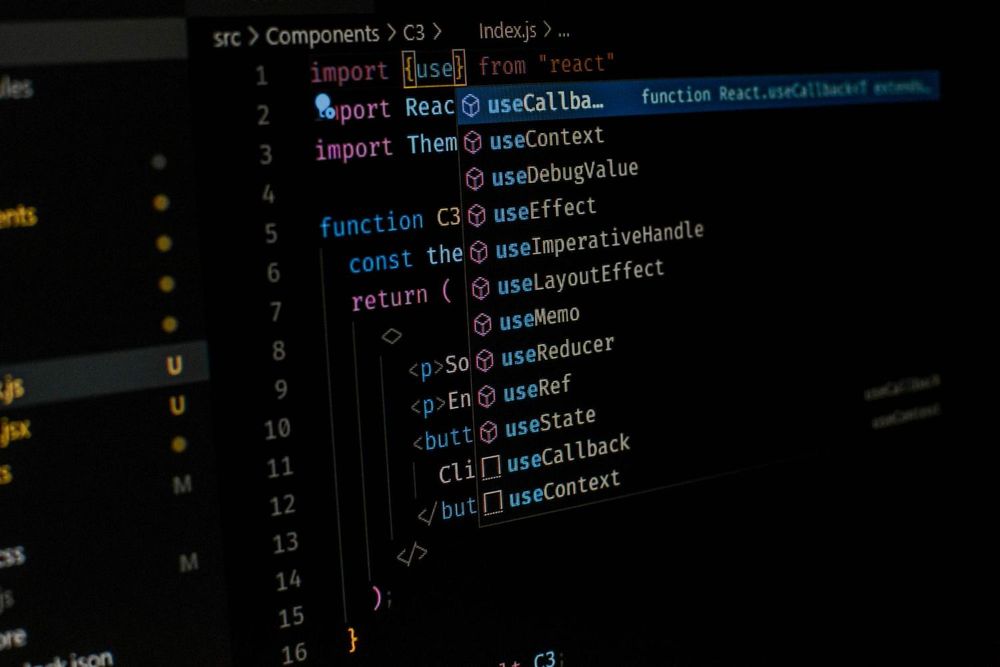
Code editors are no longer simple writing tools, but intelligent assistants. In 2026, two options stand out for their focus on productivity and artificial intelligence integration: Cursor and Visual Studio Code (VSCode). But which of these environments offers the best experience for vibe coding?
At MiTSoftware, we analyze the key features, advantages and differences between both editors to help you choose the one that best fits your workflow.
What is vibe coding?
Vibe coding is an emerging concept that defines a style of real-time AI-assisted programming, where the developer and the machine work as partners. It is not just about autocomplete — it is about understanding context, generating complete functions, suggesting logical structures and maintaining a continuous, creative flow throughout development.
This type of experience is becoming the new standard for many frontend and backend software developers who want to reduce friction in their coding workflow.
VSCode: the established standard
Visual Studio Code is undoubtedly one of the most widely used editors in the world. Since its launch by Microsoft, it has built a robust community, an extensive plugin ecosystem and support for almost every modern language and tool.
Advantages of VSCode:
- Massive ecosystem: support for React, Docker, Python, Rust and more.
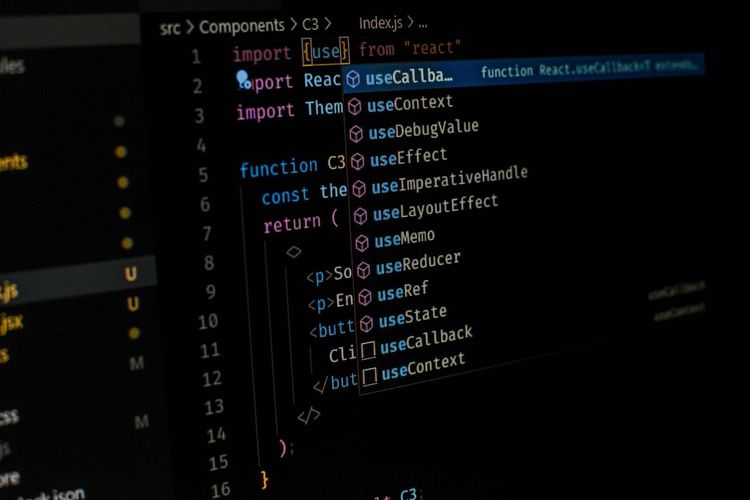
- Native integration with GitHub Copilot, an AI that suggests code contextually.
- Extreme customization through extensions and themes.
- Integration with DevOps, linters, debuggers and automated testing.
- Flawless cross-platform support (Windows, Linux, macOS).
Disadvantages:
- Can become heavy and slow on large projects.
- Requires configuration to achieve a smooth vibe coding experience.
- Some powerful features require subscriptions, such as GitHub Copilot X.
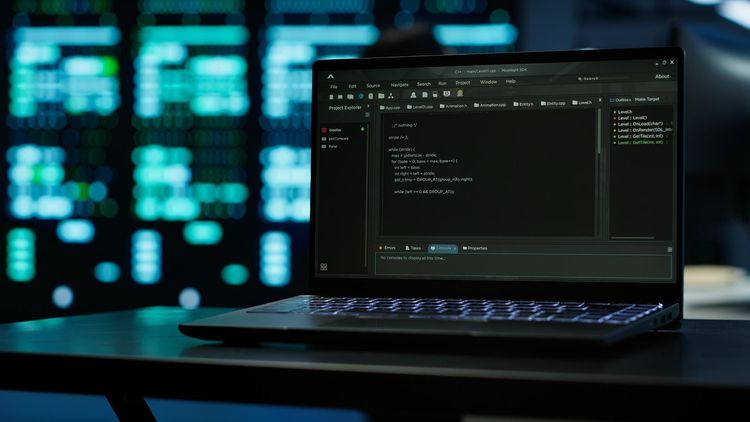
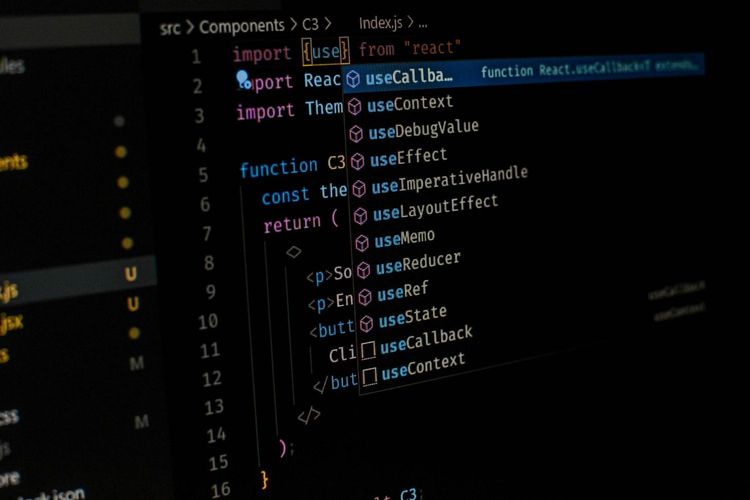
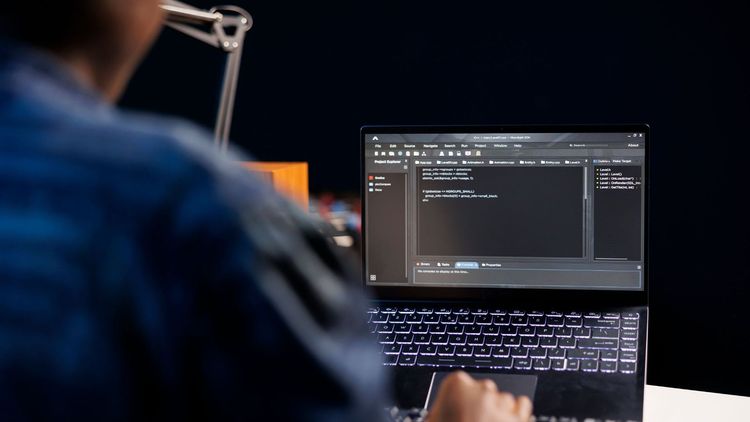
VSCode and its GitHub Copilot integration
Cursor: the new AI-first editor
Cursor is an editor built on top of VSCode but redesigned from the ground up with artificial intelligence at its core. Its proposition is clear: deliver an enhanced vibe coding experience from the very first minute.
Advantages of Cursor:
- Deeply integrated AI, including for refactoring and generating entire files.
- Lightweight, intuitive interface with fewer distractions.
- Smart actions like "explain this code" or "rewrite this function for better performance".
- Direct access to GPT models optimized for programming.
Disadvantages:
- Much smaller community.
- Some features depend on access to premium models.
- Not as flexible as VSCode in terms of extensions.
Head-to-head comparison: Cursor vs VSCode
| Feature | VSCode | Cursor |
|---|---|---|
| AI integration | GitHub Copilot (optional) | Native AI across multiple functions |
| Performance | Lightweight, but can get heavy | Fast and minimalist |
| Ecosystem | Extensive, battle-tested | Growing |
| Vibe coding experience | Customizable with plugins | Smooth from day one |
| Learning curve | Medium, depends on extensions | Low, very beginner-friendly |
| Community | Millions of users | Smaller community |
Which one to choose in 2026?
It depends on your needs. If you work on large projects, need compatibility with multiple tools or enjoy customizing your environment, VSCode remains a solid choice. But if you are focused on agile development, rapid prototyping and want to experience true vibe coding, Cursor is a compelling tool that puts AI at the center of the process.
Many development teams combine both: VSCode for heavy-duty tasks and Cursor for fast sessions or creative prototypes.
Will the future of development be vibe coding?
All signs point to yes. The collaboration between developers and artificial intelligence is not a passing trend — it is a structural shift in how we write code. Tools like Cursor and the advanced features of VSCode mark the beginning of a new era where programming looks more like designing, communicating and refining ideas than writing every line manually.
Cursor vs VSCode in 2026: what has changed
In 2026, the gap between both editors has narrowed but also become clearer. Cursor surpassed 500,000 active users and closed a $900 million funding round valuing the company at $9 billion, cementing itself as the most serious market contender for AI-assisted development. Microsoft responded with significant improvements to GitHub Copilot inside VSCode, including an agent mode that executes multi-step tasks autonomously — editing files, running commands and fixing errors in a single flow. The choice in 2026 is no longer just a matter of personal preference: teams that adopt these tools strategically reduce their development time by 30% to 55% according to productivity data from both platforms. If your company wants to build its next project with a development team that works with the most current tools and methodologies, that is exactly how we work at MiTSoftware. Tell us about your project and we will get back to you in minutes.