Integrating AI into a CRM or ERP sounds simple until you actually try to do it. The "call the model's API" part is the easy bit — the real work is connecting that capability securely and usefully with data that already lives in systems never designed with AI in mind.
Why This Isn't Just "Adding a Chatbot to the CRM"
Most projects that fail at this integration make the same mistake: they treat AI as a superficial chat layer instead of actually connecting it to the system's business logic. An AI assistant that only answers questions about the CRM without being able to update a record, qualify a lead, or trigger an action is a chatbot with read access — useful, but far from the real potential.
The Three Levels of Integration, from Least to Most Complex
- Natural language querying of existing data. "What are my hottest leads this week?" — the model translates the question into a structured query against the CRM's database. It's the simplest level and the one that generates visible value fastest.
- Assisted content generation within the workflow. Drafting a lead's follow-up email using their real interaction history, or automatically summarizing a sales call into CRM notes.
- Autonomous action with approval. The system doesn't just suggest — it executes the record update, creates the follow-up task, or qualifies the lead, with a human approval point on the highest-impact decisions.
Most companies should start at level 1 or 2, not jump straight to level 3 without having validated that the model understands the data and business context well.
The Requirement Almost Nobody Prepares in Time: Data Quality
No AI model compensates for messy, duplicated, or incomplete CRM data. Before integrating AI, it's worth a real cleanup: consolidating duplicates, standardizing fields, and ensuring the information the model will use as context is reliable. Skipping this step is the most common cause of AI responses that "sound good but are wrong."
Security: the Point That Demands the Most Care
Any AI integration with a CRM/ERP handles customer data, and sometimes financial or health data. This means: never send sensitive data to a general-purpose model without the corresponding agreements with the provider, implement granular access control (the AI can only see/act on what the invoking user is allowed to), and maintain an audit log of every action the model executes, not just the queries.
How to Choose Between Native Vendor Integration or Custom Development
Many CRMs (Salesforce, HubSpot) already offer built-in AI layers out of the box. These are the fastest option when they cover the use case, but they have limits: less flexibility for specific business logic, and full dependency on the vendor's roadmap. Custom development makes sense when the business logic is specific enough that the CRM's generic solution doesn't solve it well.
How We Work on This at MiTSoftware
We always start by auditing the quality of existing data before proposing any AI integration — it's the step that most determines whether the project will work well or generate unreliable responses. This work is the heart of our approach to connecting your CRM with AI to sell more.
Frequently Asked Questions
How long does an AI integration into an existing CRM take? For level 1 (natural language queries), typically 3 to 6 weeks. For autonomous action with multiple integrations, it can extend to 3-4 months.
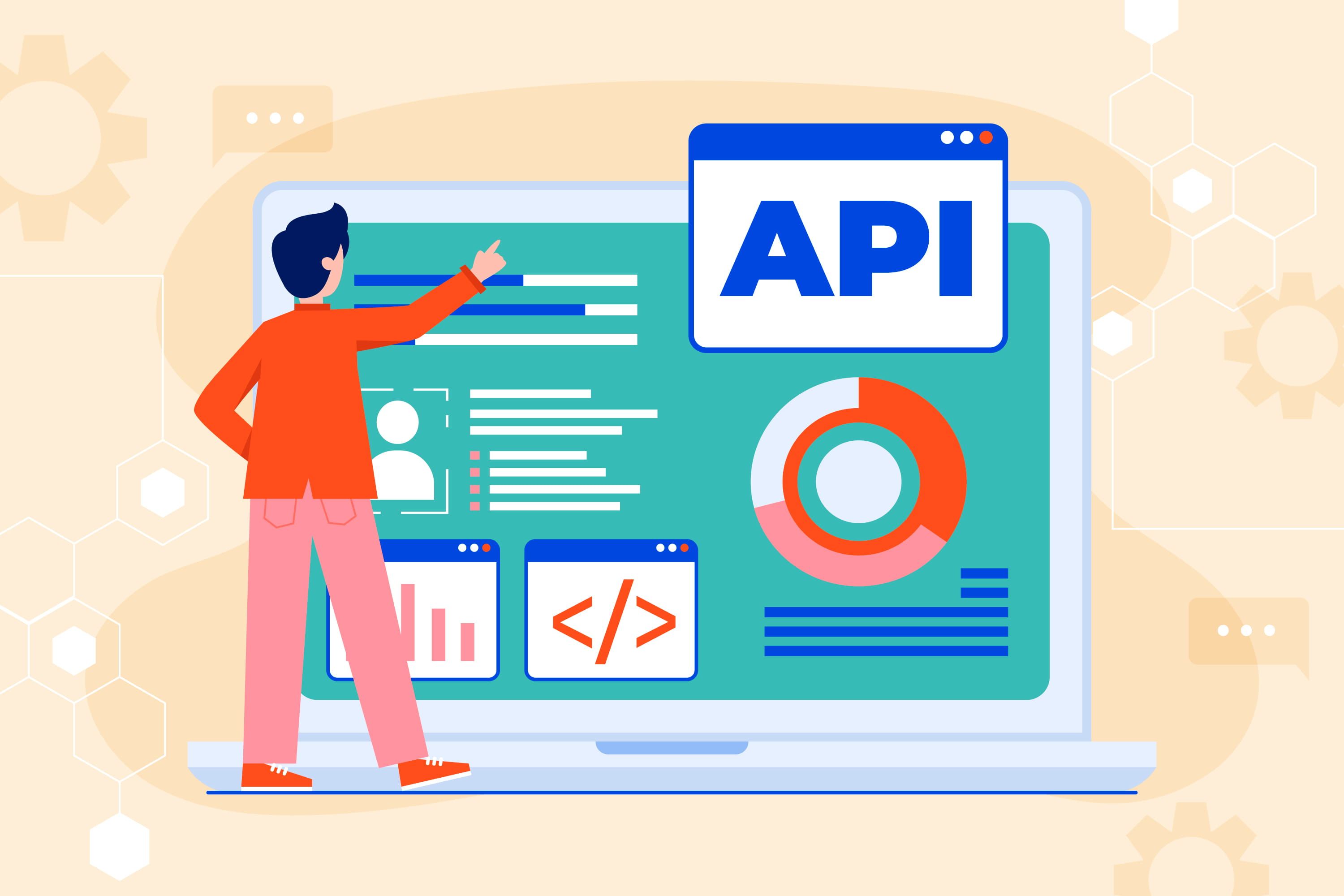
Do I need to replace my current CRM to integrate AI? Almost never. Most integrations are done on top of the existing CRM via API, without needing to migrate platforms.
What if my CRM doesn't have a well-documented API? It's a real obstacle but not insurmountable — you can work with what the API exposes, though the integration's scope may be limited by those technical vendor constraints.
What Doesn't Change, Regardless of the Technology Chosen
It doesn't matter whether the final decision is a platform, a framework, or a different hiring model: the pattern that separates companies that end up satisfied from those that end up redoing the work is the same. The former spend time understanding their own problem precisely before asking for a solution; the latter jump straight to requesting a quote without having done that groundwork, and end up paying for that lack of clarity later, in the form of rework or a tool that didn't fit what they actually needed.
This doesn't depend on having deep technical knowledge — it depends on spending the initial conversation on the right questions, even if it takes a bit longer before getting started. Companies that skip that initial step almost always end up repeating it later, with the added cost of what was already built the wrong way.
If your situation has any nuance not covered in this article, that's exactly the kind of detail worth discussing before making the decision, not after. And if you already moved forward with an option and something isn't turning out as expected, it's not too late to correct course either — it's almost always cheaper to adjust in time than to keep going while hoping the problem resolves itself.
Want to Integrate AI into Your CRM or ERP in a Way That Actually Adds Value?
We assess your current system and tell you which level of integration is worth starting with.
Book your free consultation → And if youd rather start from a concrete diagnosis of your situation instead of a general guide, that initial conversation has no cost or obligation. In the end, the right decision almost always comes down to a handful of concrete variables specific to your business, not a universal rule that applies to every case. Either way, it is worth confirming this before committing time or budget in the wrong direction. This is exactly the kind of nuance a short conversation resolves faster than any generic guide could. It rarely takes more than thirty minutes to get real clarity on where you stand. Worth having before locking in an approach you might need to unwind later.