Pharmacy apps and digital health services are among the most requested mobile projects, and also among the most misunderstood in terms of requirements. Not all of them need the same level of compliance, but almost all of them must consider security and privacy from the design stage, not as an afterthought.
In this article we explain the three types of pharmacy apps, why the category determines the architecture, the recommended stack, the most requested use cases and the mistakes that make these projects more expensive.
In short: before budgeting a pharmacy app you need to define what data it will process. A wellness app without clinical data is a consumer app; as soon as it handles prescriptions, history or communication with the pharmacist, it processes specially protected health data and the architecture changes completely.
The three types of pharmacy apps
- Medication reminders and general wellness, with no connection to clinical systems or the pharmacy. Users enter their own data. Even so, if that data reveals health information, privacy must be protected.
- Ordering and delivery of pharmacy products, with purchase history and integration with the pharmacy's systems. Purchase history can reveal health information, so it should be treated with the same rigor as a health app.
- Apps connected to clinical or prescription systems, which sync records or manage communication between patient and pharmacist. This category requires the highest level of compliance.
Why the category determines the architecture
In Europe, data concerning health is a special category under the General Data Protection Regulation, with stricter requirements for legal basis, security and impact assessment. In Spain, the Spanish Data Protection Agency publishes guides and criteria worth reviewing before designing. If the app operates in the United States, HIPAA may also apply.
Defining the category correctly determines which hosting you need, which contracts with providers must be signed and which encryption and audit logging to implement from the first sprint. Starting without this definition is the most common cause of costly redesigns halfway through a project.
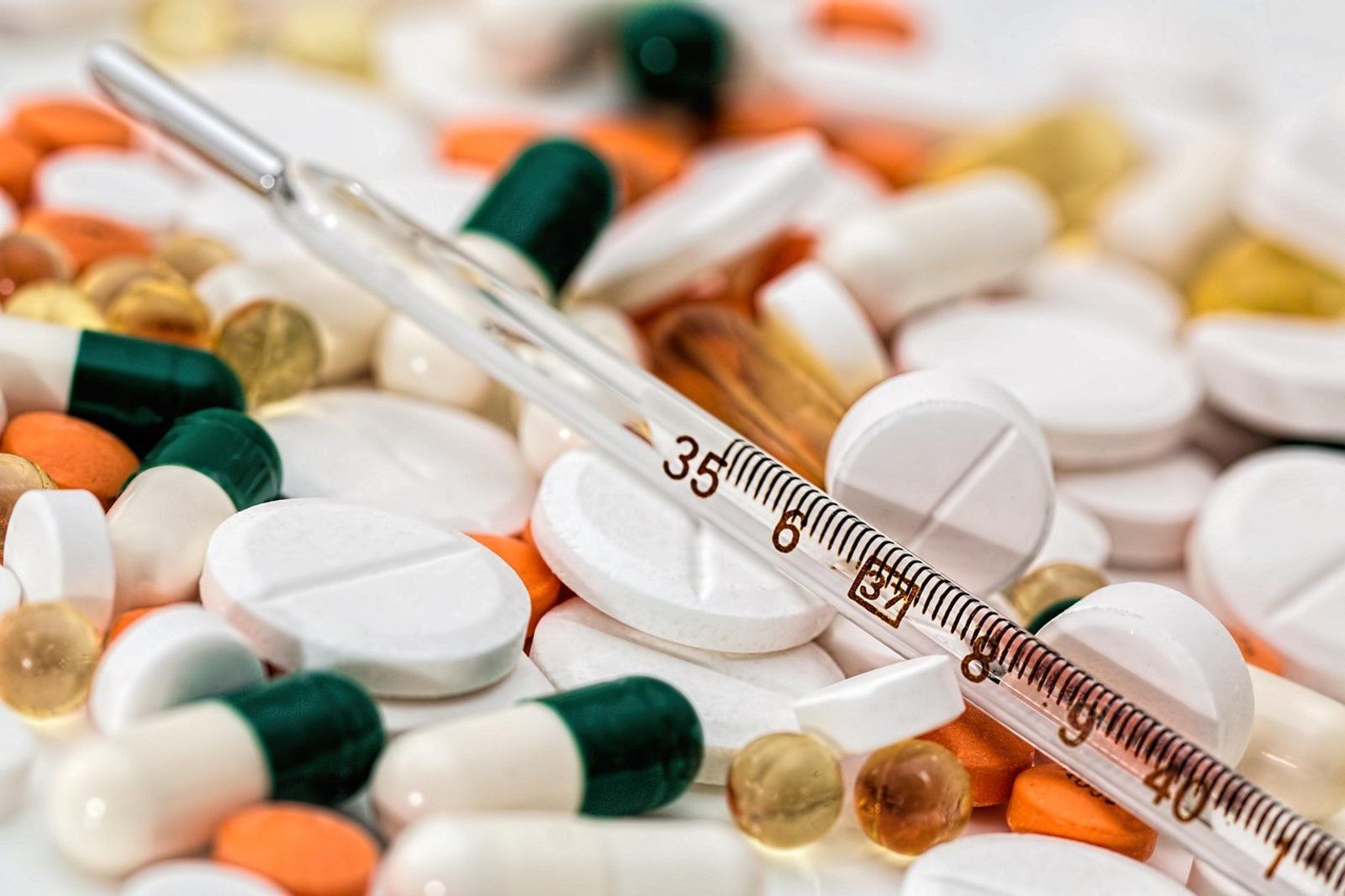
The recommended stack for pharmacy apps
- Mobile app: React Native or Flutter are enough for most flows (orders, reminders, chat with the pharmacist). Native development is reserved for integrations with specific medical hardware.
- Backend with encryption in transit and at rest by default, on cloud infrastructure with European regions and services prepared for health data (AWS, Azure or Google Cloud).
- Strong authentication, with biometrics to access sensitive information and an audit log of every access to protected data.
- Integration with the pharmacy's management systems through APIs, instead of replicating their logic: most pharmacies and chains already have management software that should be integrated, not replaced.
- Notifications that do not show sensitive information on the lock screen.
The most requested use cases
- Smart medication reminders with adherence tracking.
- Home ordering and delivery with real-time tracking, in line with regulations: in Spain, online sales are limited to non-prescription medicines and must go through authorized pharmacies.
- Remote pharmaceutical care via chat or video call.
- Drug interaction checks before a purchase. This case carries a liability component that requires professional validation and great care in implementation.
- Loyalty programs and recommendations for health and beauty products, keeping commercial data clearly separate from health data.
Privacy by design: concrete measures
- Minimization: ask only for the data essential to each feature.
- Clear, separate consents for health, marketing and analytics.
- Pseudonymization of health data in analytics.
- Role-based access control, so each employee sees only what they need.
- Impact assessment before launch when health data is processed at scale.
- An incident response plan with defined deadlines and owners.
Phases of a pharmacy app project
- Discovery: define the category, the data to be processed, the integrations and the legal requirements, with support from the data protection officer if there is one.
- Design: flows built for older people and users with little digital experience, with large text, high contrast and few steps.
- Phased development: first the highest-value features (orders or reminders) and then those that add regulatory complexity.
- Testing: functional, accessibility and security tests, including a review of how data is stored on the device.
- Publishing and maintenance: meeting store requirements and keeping the app updated with every new iOS and Android release.
Accessibility deserves special attention: many pharmacy customers are older adults, and an app they cannot use comfortably will not be adopted, however good its features are.
The mistake of underestimating cost by misunderstanding the category
Many companies budget their pharmacy app as a standard consumer app and discover halfway through development that they need to meet health data requirements, which almost always means rebuilding significant parts of the architecture. Confirming the category before budgeting avoids this surprise, and it also gives you a realistic timeline from the very first conversation with your development partner.
How we work on it at MiTSoftware
We start every project by confirming the app's exact category and its technical and legal implications, before budgeting. We do it within our fintech, health and ecommerce apps with compliance and security service and, for apps already published, with a mobile app security and privacy audit. To go deeper, review the technical and legal requirements of health apps: digital pharmacies sit right on the border between consumer apps and regulated apps.
Frequently asked questions
Does my app need health requirements if I only sell health and beauty products? Probably fewer, if it does not process prescriptions or data linked to diagnoses. But as soon as prescriptions, history or pharmacist consultations are added, the answer changes.
Can I start with a simple version and add compliance later? It is risky. If you are likely to end up processing health data, it is much cheaper to build with that architecture from the start than to migrate later.
How much does a pharmacy app with this level of compliance cost? It depends on the category. Apps that handle prescriptions or history cost considerably more than a generic ecommerce app, because of security, integrations and auditing.
Do app stores have their own requirements for health apps? Yes. Apple and Google require you to declare the use of health data and may ask for additional documentation for medical or medication apps.
Can a pharmacy app use AI safely? Yes, for tasks such as answering general product questions or organizing orders, as long as health data is not sent to external models without the proper legal basis and contracts, and any clinical recommendation is validated by a pharmacist.
Thinking about an app for your pharmacy?
We help you define the category, the requirements and the right stack before investing in development.