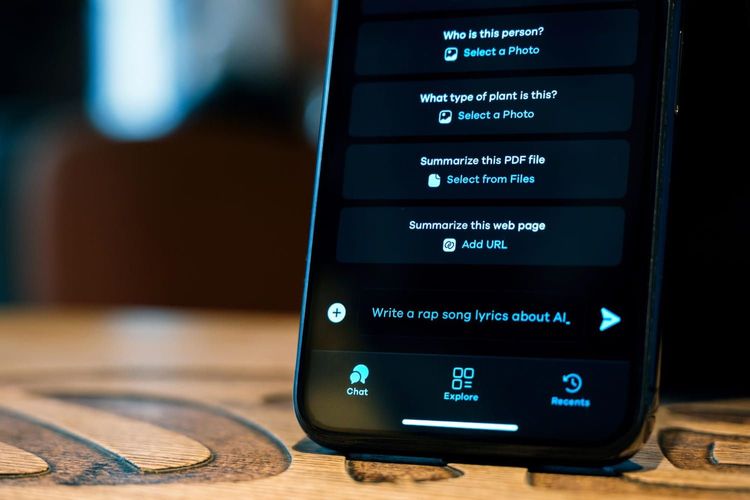
More and more companies are starting digital projects with vibe coding: generative AI tools such as Lovable, v0, Claude or Cursor. In a few hours you have something that "works" and looks good. The problem comes later: almost without noticing, that prototype becomes the website or app your real customers use, with their data, their payments and your reputation at stake.
If your team (or a freelancer) built your product with AI and it never went through a serious technical review, this article is for you. Not to scare you, but so you know exactly what to check before taking your vibe coded website to production, before someone else looks at it for you, and not with good intentions.
In short: vibe coding speeds up development enormously, but AI-generated code does not tell the difference between "it works" and "it works securely". Before going to production, a targeted audit of authentication, dependencies and data access prevents the most expensive incidents.
Why vibe coding in production is no longer a minor issue
Adoption of these tools has been extremely fast. Copilot already writes a very significant share of the average developer's code, and dozens of startups are launching products generated almost entirely by AI. The speed is real: people who use these tools finish tasks noticeably faster than those who do not.
The problem is that "it works" and "it works securely" are two different things, and AI-generated code does not distinguish well between them. An analysis by Escape.tech scanned 5,600 applications built with vibe coding tools and found more than 2,000 high-impact vulnerabilities and 400 exposed secrets, including API keys and credentials. And not in test environments, but in applications already published and in use (Forbes).
According to the same analysis, AI-generated code has up to 2.74 times more security flaws than code written by a person. And these are not exotic flaws: they are the best-known categories of the OWASP Top 10, such as injection, broken authentication or insecure default configurations.
The most common risks of a vibe coded website
Without getting too technical, this is what usually fails when a vibe coded product reaches production without a review:
- Authentication nobody fully understood. A login flow is generated that "works" in the demo, but nobody on the team can explain how it handles sessions or permissions.
- Dependencies that do not exist. AI tools sometimes "invent" package names, and some attackers already register those names maliciously so they get installed by mistake.
- A false sense of being finished. The system looks complete before it has really been tested, which delays any serious review.
- Sensitive data exposed by default. Forms, databases or APIs configured permissively because nobody reviewed the access rules.
A development security expert's warning sums up the current moment well: expect to see more and more AI-built applications reaching production "at scale", which is great for speed, but he warns that some serious incidents are coming (The New Stack).
This does not mean you should stop building with AI
The reasonable conclusion is not to abandon these tools: that would mean giving up real speed gains. The key is to treat AI-generated code the way you would treat code written by an unsupervised junior developer: useful and fast, but it needs a review before it touches production.
In practice, this means:
- A security audit before launch, not after an incident.
- Mandatory human review of anything that handles authentication, payments or personal data.
- Dependency verification, to rule out invented or misconfigured packages.
- Minimal documentation of how the generated code works, so the team can maintain it without depending on whoever "prompted" it.
If your product already has real users, this is not optional. It is the difference between an incident prevented in time and a data breach that is costly in money and trust.
Checklist to take your vibe coded website to production
Before opening your product to real customers, check at least these points:
- Secrets out of the code: no API key, token or password written in the repository or the frontend.
- Permissions reviewed: each user can only read and change their own data, even when calling the API directly.
- Server-side validation: forms do not rely only on browser checks.
- Audited dependencies: every package exists, is maintained and has no known vulnerabilities.
- Backups and monitoring: if something fails, you find out in time and can recover the data.
If any of these points does not have a clear answer, that is the first place to look.
How to know if your project needs this review
Some signs that it is time to ask for a technical audit:
- Nobody on the team can explain in detail how login or permission handling works.
- The project was built quickly, with several different AI tools, without a defined architecture from the start.
- It already handles customer data, payments or sensitive information.
- You want to scale it, add features or raise investment, and you need it to withstand a technical due diligence.
If any of these points sounds familiar, there is no need to rewrite everything from scratch. Most of these projects can be stabilized with a targeted audit and a hardening phase, without losing what already works.
From prototype to real product
At MiTSoftware we work precisely in this middle ground: we take products that started as a prototype (with AI, with a freelancer or both) and bring them up to a real production standard, with security, a solid architecture and a team that can actually maintain them over time. It is different work from building from scratch, and it requires a different approach: first understand what is there, then decide what to keep and what to rebuild.
If you want to know the real state of your project, you can start with our custom AI software development service, or see what a custom software project costs in 2026 in time and budget. If security is your main concern, here are more details about our cybersecurity services for businesses.
Frequently asked questions
Do I have to rewrite the whole project from scratch? Almost never. Most vibe coded products can be stabilized by reinforcing the critical points (authentication, dependencies, data configuration) without touching everything else. Rewriting from scratch is usually the most expensive and least necessary option.
How do I know if my current provider did things right? Ask directly whether there was a security review before launch, who can explain the authentication flow in detail, and whether there is any documentation beyond the code itself. If the answers are vague, it is a clear sign that this review is missing.
How long does an audit of a vibe coded project take? It depends on the size, but a first review of the critical points usually takes a few days and already tells you what is urgent and what can wait.
Want to know where your project stands?
Before investing further in new features, it is worth confirming that the foundation is solid. We offer a free 30-minute technical consultation where we review your project and tell you, with no commitment, what we found and what we would prioritize.